Infrastructure Pipelines and Property Values: Buy Ahead of the Growth Curve
Published 20 March 2026
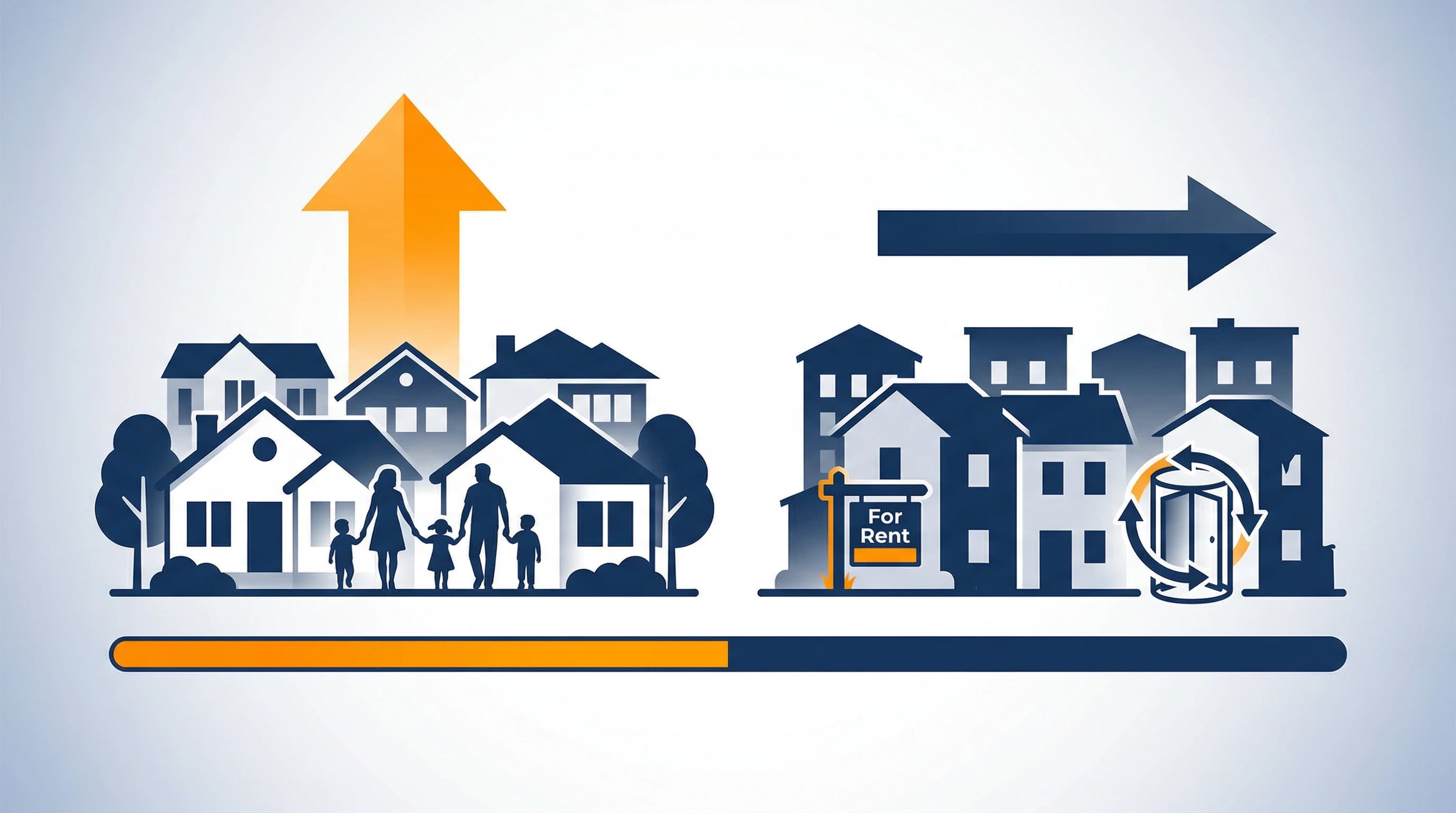
The relationship between government infrastructure investment and residential property values is one of the most well-documented patterns in Australian real estate research. When a new train station is announced, when a major hospital expansion is confirmed, when a motorway interchange is built, surrounding property values respond. Sometimes immediately, sometimes over years as the project develops, but the direction of the response is almost always upward.
Understanding how to identify infrastructure projects before the market has fully priced them in is one of the most reliable strategies available to Australian property investors.
Why Infrastructure Drives Property Values
Infrastructure improves accessibility, which is one of the primary drivers of residential location demand. A suburb that becomes 15 minutes faster to reach from the CBD following a new train station carries a permanently different value proposition than it did before. That improved accessibility translates into demand from a broader buyer and renter pool.
Infrastructure also signals government and private sector commitment to an area. When the state government spends hundreds of millions or billions of dollars on infrastructure in or near a suburb, it communicates a long-term confidence in that area's role in the city's future. This confidence has a psychological effect on buyer sentiment that reinforces the direct accessibility benefit.
Infrastructure projects also create employment during construction and, for facilities like hospitals, universities, and employment precincts, ongoing employment that supports local rental demand and population growth.
Queensland's Current Infrastructure Pipeline
The Queensland government's Infrastructure Pipeline is publicly available through the Queensland Treasury website. It documents major committed projects across transport, health, education, and social infrastructure.
The Cross River Rail project introduces underground stations at Boggo Road, Woolloongabba, Albert Street (CBD), Roma Street, and Dutton Park, along with upgraded connections at other stations. Research suggests that suburbs within 800 metres of a new or significantly upgraded train station typically see property value uplift of 5 to 15 percent above the broader market trend over a 5 to 7 year period around the station opening.
The 2032 Brisbane Olympics infrastructure programme involves significant investment across sporting venues, transport upgrades, and precinct developments in Herston, Woolloongabba, Chandler, and other locations. Properties within the influence zones of major venue precincts and transport upgrades are positioned for above-trend growth if the historical Olympic city property response observed in Sydney, Athens, and London repeats in Brisbane.
How to Research Infrastructure in Any Location
The primary sources for identifying planned infrastructure are the Queensland Treasury Infrastructure Pipeline, the Department of Transport and Main Roads project announcements, Brisbane City Council's Major Projects register, and individual state agency websites for health, education, and justice departments.
For transport projects specifically, any announced or funded project that shortens travel times to major employment centres is worth tracking. Bus rapid transit upgrades, new ferry terminals, and rail station upgrades all fall into this category.
State budget documents, released annually in June, disclose new infrastructure commitments in the capital works programmes. Reading these documents, or following budget coverage from a property research perspective, provides advance notice of projects before they attract mainstream media attention.
Using PropDex to Assess Existing Connectivity
A PropDex due diligence report includes a public transport mapping layer showing the location of bus stops, train stations, tram, and ferry terminals within 3 kilometres of any property. This gives investors an immediate picture of the existing transport access profile of any property they are considering.
Combining this existing transport picture with your own research into planned infrastructure upgrades gives you the complete accessibility trajectory for the property. Visit propdextest.com.au to run a report before any investment purchase and review the public transport layer as part of your broader due diligence assessment.
This article is for informational purposes only and does not constitute financial or investment advice.