Landslide Risk Overlays in Brisbane: What Builders and Developers Need to Know
Published 20 March 2026
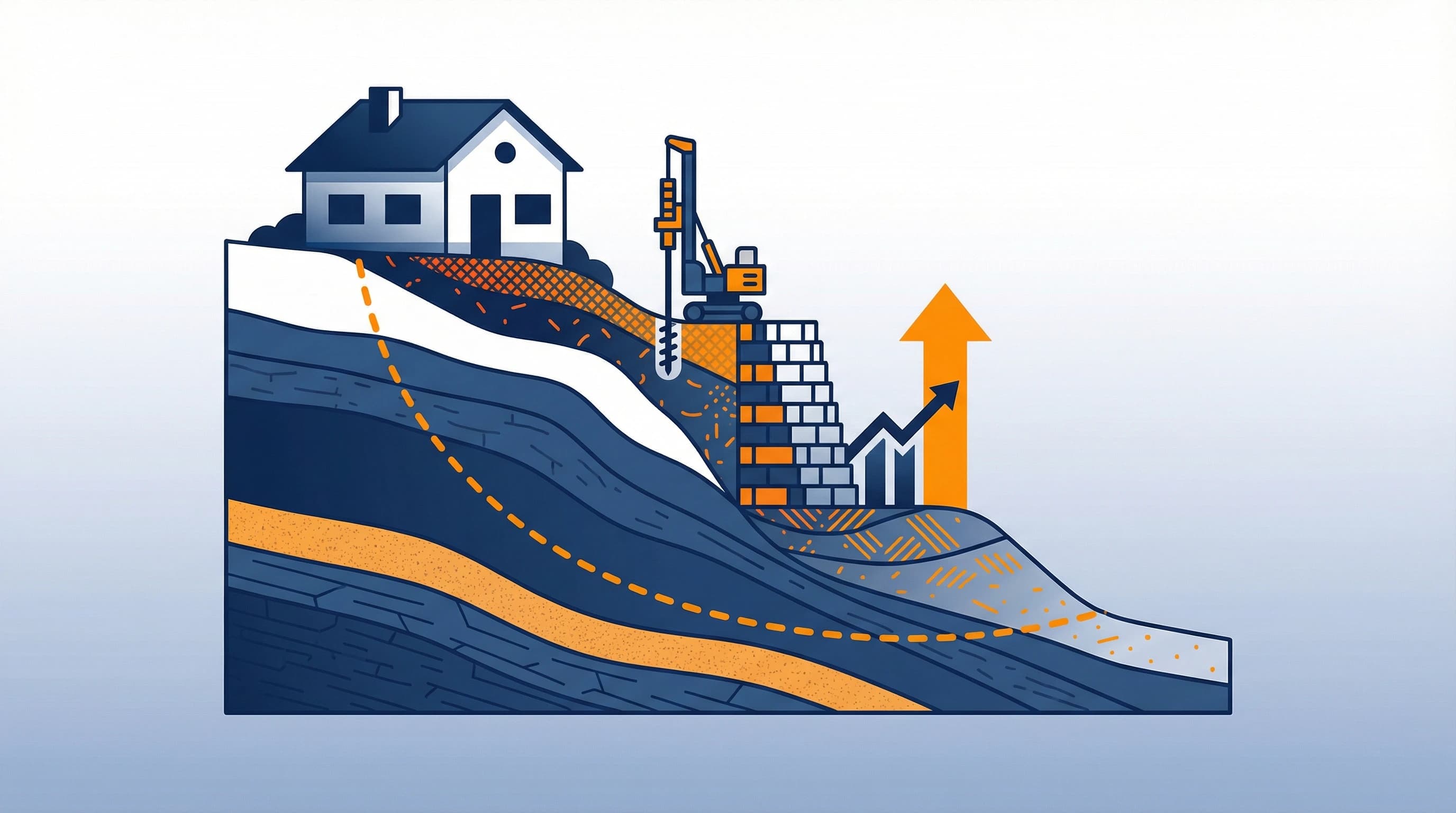
Brisbane is not typically associated with landslide risk in the public imagination. It is an inland city built on relatively flat river plains, which describes the majority of its geographic extent. But significant portions of western, southern, and outer Brisbane occupy hillside terrain where slope instability is a genuine consideration.
The BCC CityPlan 2014 landslide overlay identifies these areas across four risk categories and imposes specific assessment requirements for development on affected sites.
What the Landslide Overlay Covers
The landslide overlay is based on geological mapping and analysis of slope characteristics, soil types, and historical landslide data across the Brisbane City Council area. Areas where the combination of slope gradient, soil composition, and geological conditions creates susceptibility to slope movement are mapped within the overlay.
The four categories are Very High, High, Medium, and Low landslide risk. Each category reflects a different level of assessed susceptibility to slope instability, ranging from high probability slope movement with significant consequence at the Very High level, to lower probability events with limited consequence at the Low level.
Development Requirements for Landslide-Affected Sites
Development applications for sites within the landslide overlay trigger assessment under the Landslide Overlay Code in CityPlan. The requirements scale with the risk category.
For High and Very High risk sites, a geotechnical assessment prepared by a qualified geotechnical engineer is typically required as part of any development application. The assessment must evaluate the stability of the site under the proposed development conditions and recommend appropriate engineering measures.
Geotechnical assessments for residential development sites typically cost $4,000 to $15,000 depending on the size and complexity of the site. For larger sites or those with complex geology, costs can be higher.
Engineering measures recommended in the geotechnical assessment may include retaining walls, drainage systems, ground anchoring, or modified foundation designs. These measures can add $20,000 to $100,000 or more to construction costs depending on the extent of stabilisation required.
Identifying Landslide Risk Before Purchase
The landslide overlay is visible in Brisbane City Council's PD Online mapping interface and is included as a mapping layer in a PropDex due diligence report. For any site in the hillier areas of western, southern, or northern Brisbane, checking the landslide overlay status before purchasing is essential for any buyer with development intentions.
If a site shows High or Very High landslide risk, the pre-purchase due diligence should include a preliminary geotechnical opinion from a qualified engineer before you commit. A preliminary opinion (shorter than a full report and typically costing $1,000 to $3,000) can indicate whether full development on the site is feasible and at what cost, giving you the information to make an informed purchase decision.
Run a PropDex report at propdextest.com.au to check the landslide overlay status of any Brisbane property as part of your initial site screening.
This article is for informational purposes only and does not constitute legal, financial, or planning advice.